 A UN PASOPz/ España nº1. 28213 | Tlf. 91 865 11 02
Este sitio web utiliza cookies de analítica para medir el uso de la web y mejorar la experiencia del usuario. No se utilizan cookies publicitarias ni de marketing. Más información
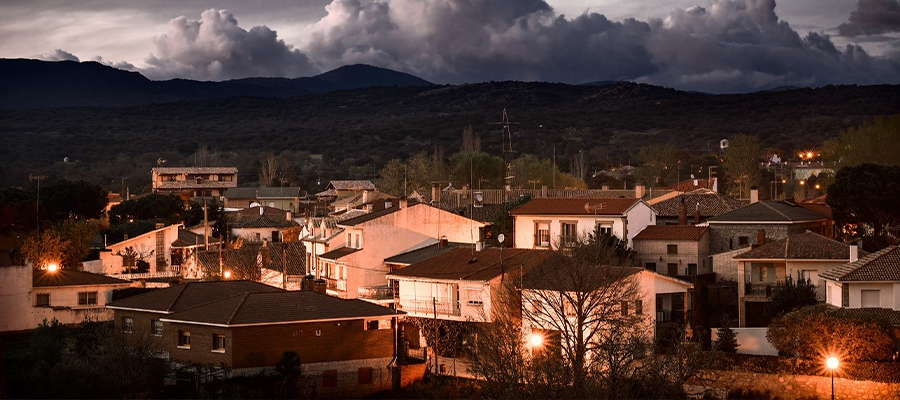
“Hubo un tiempo, en el que la peste asoló, este nuestro lugar… A nuestras casas cada día la muerte llamaba sin cesar, para llevarse al primero que la viera.
Durante ese tiempo, al atardecer, los vecinos quemaban tomillos y retamas para aliviar el hedor que se había adueñado de las calles. Nadie quería ya visitar el pueblo, ni comerciantes, ni pastores se arriesgaban a pasar por el lugar.
El alcalde reunió en Concejo, bajo la gran Olma, y a los vecinos para buscar alguna solución que les librara de esta terrible plaga.
Entre todos hallaron una triste solución: quemarían casas y enseres y se trasladarían más abajo, al otro lado del arroyo, dónde construirían un nuevo pueblo, donde poder vivir, lejos de la enfermedad.
A partir de aquel momento, se convirtió en costumbre el quemar tomillos y retamas en las puertas de los hogares de los colmenareños, para que nadie olvidara jamás…”
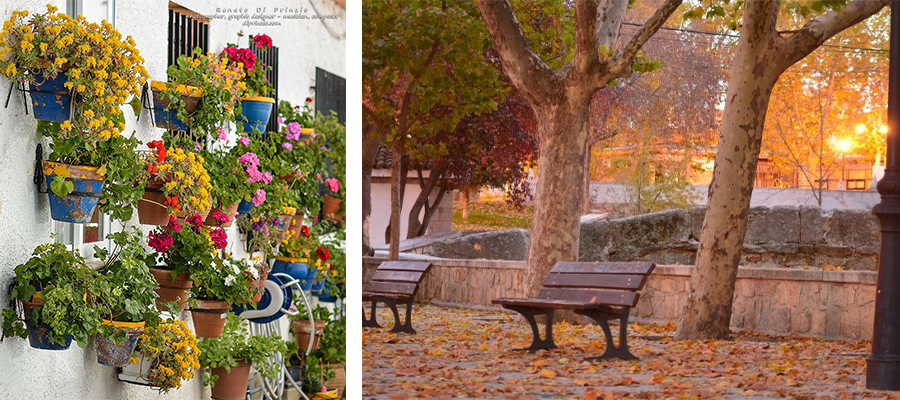
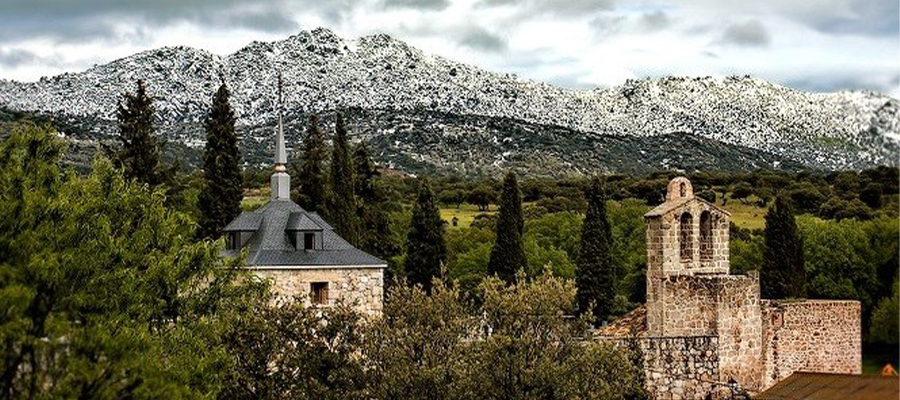
Durante la ruta podrá disfrutar de nuestro patrimonio histórico, nuestros Puentes de la Fragua y del Caño de estilo románico, la Espadaña de la Ermita de S. Vicente (S.XII), nuestro Blockhaus N.º 13, Bien de Interés Cultural, el Centro de Interpretación del Agua o el Potro de Herrar o… ¡nuestras fachadas con alma!
“There was a time when the plague ravaged, this is our place… Death called to our homes every day incessantly, to take away the first to see it.
During that time, at dusk, the neighbors burned thyme and gorse to alleviate the stench that had taken over the streets. Nobody wanted to visit the town anymore, neither merchants nor shepherds took the risk of passing through the place.
The mayor met in Council, under the great Olma, and the neighbors to find a solution that would rid them of this terrible plague.
Together they found a sad solution: they would burn houses and belongings and move further down, to the other side of the stream, where they would build a new town, where they could live, far from the disease.
From that moment on, it became customary to burn thyme and gorse on the doors of the homes of the apiaries, so that no one would ever forget ... "
During the route you will be able to enjoy our historical heritage, our Romanesque-style Bridges of the Forge and Caño, the Steeple of the Hermitage of S. Vicente (12th century), our Blockhaus No. 13, Asset of Cultural Interest, the Water Interpretation Center or El Potro de Herrar or ... our facades with s oul